Expert Drywall Repair Services: Bring Your Walls Back to Life
Professional drywall repair solutions serve a critical function in maintaining the aesthetic integrity of residential interiors. Issues such as water intrusion, fractures, or routine wear can detract from a home's appearance and value. Professionals utilize specialized techniques and high-quality materials to ensure a seamless result. Understanding the importance of these services raises essential inquiries about frequent damage patterns and reliable repair strategies. What difficulties do residents encounter when tackling drywall repairs?
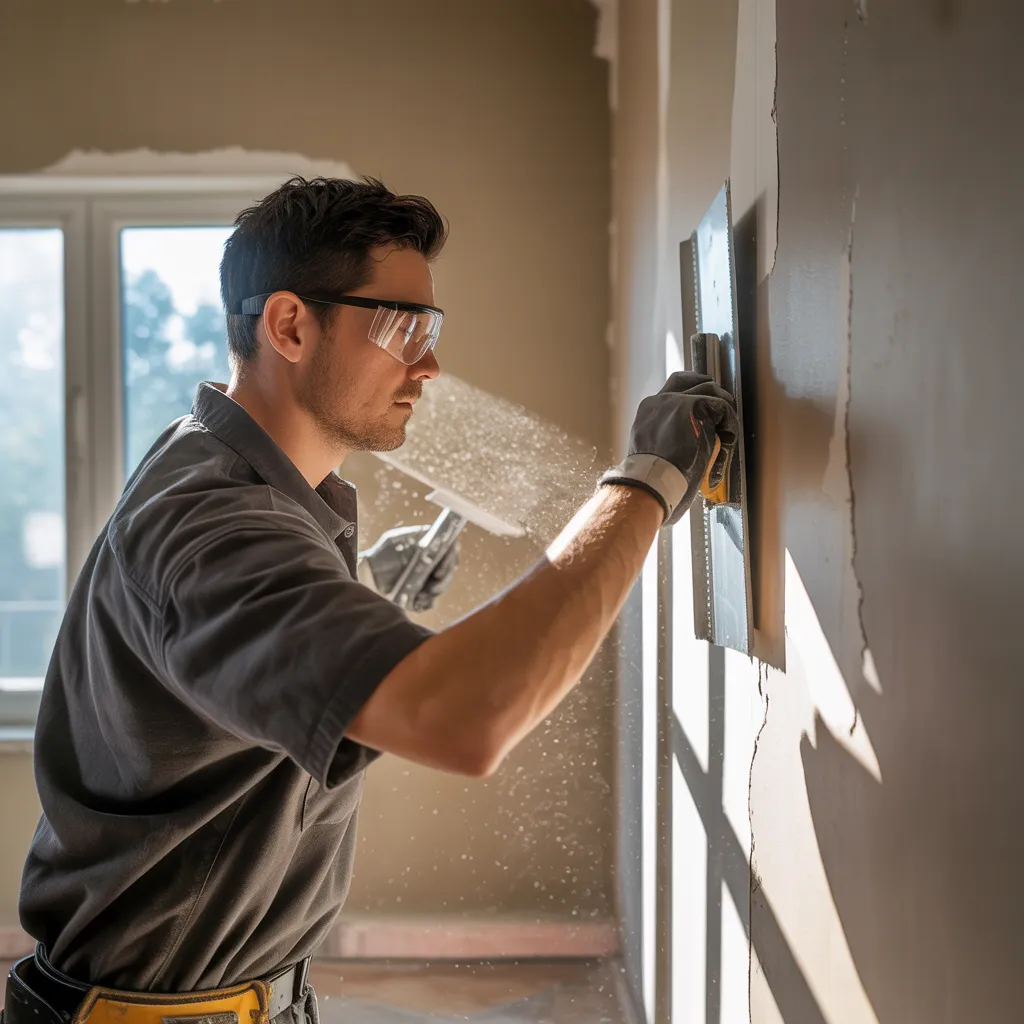
Why Professional Drywall Repair Is Essential
Professional drywall repair matters because it ensures a flawless result that enhances the overall aesthetic of a room. Both homeowners and business owners acknowledge the value of preserving the condition of interior walls, as imperfections can detract from the visual appeal and value of a building. Experienced professionals have the knowledge to evaluate damage with precision and apply suitable methods for repair, delivering a perfect finish.
In addition, professional services reduce the risk of recurring issues by tackling the root causes that originally led to the damage. Such a preventative method not only enhances the overall look but also supports the long-term durability of the walls. Moreover, skilled drywall work follows strict safety protocols, limiting the dangers that come with substandard repairs. In the end, choosing professional services creates a welcoming environment, making certain that rooms continue to be useful and attractive well into the future.
What Are the Typical Types of Drywall Damage and Their Underlying Causes?
Numerous types of drywall damage can occur in both residential and commercial spaces, each stemming from various causes. Among the most prevalent types is water damage, often resulting from leaky roofs, plumbing issues, or high humidity. These conditions frequently produce structural sagging, mold proliferation, and surface discoloration. Impact damage is another regularly encountered concern, often caused by collisions with furniture, athletic gear, or unintended contact, leaving behind dents, punctures, or holes in the wall. Additionally, cracks can develop due to settling of the building or temperature fluctuations, weakening the overall durability of the drywall. Moreover, nail pops, where fasteners push through the surface, are often caused by shifting or settling. All of these damage types demand targeted repair methods and professional attention to return the drywall to its original condition, underscoring the value of seeking qualified inspection and repair solutions.
Skilled Approaches to Diagnosing Drywall Issues
A comprehensive evaluation of drywall issues requires a careful eye for detail and an understanding of potential hidden concerns. Specialists commence by assessing the surface for noticeable indicators of damage, such as water stains, cracks, and holes. They employ tools like specialized moisture meters to identify concealed moisture that could suggest water leaks or mold formation. Moreover, examining the structural integrity behind the drywall is critical; this may require looking for bowing or sagging, which can indicate framing problems.
Acoustic tests, conducted by tapping the wall to detect hollow sections, are useful for locating spots in need of restoration. Experienced assessors also consider the location of damage, because particular zones can be more vulnerable to damage from plumbing or electrical systems. By combining visual inspections with specialized tools and techniques, professionals can effectively evaluate the scope of drywall damage, providing a solid foundation for effective repair strategies.
What to Expect From the Drywall Repair Process
Anticipate a smooth and effective drywall repair process that emphasizes excellence and customer care. First, experienced specialists will carry out a comprehensive inspection of the drywall damage to establish the most suitable repair approach. This assessment confirms that all problems, from small dents to large holes, are identified.
Following the assessment, the crew will set up the workspace, securing nearby surfaces to reduce disturbance. The repair process generally includes filling, smoothing, and priming, followed by a finish that matches the existing wall texture. At every stage of the work, expert craftsmen will use professional-grade equipment and approaches to guarantee a flawless result.
Ongoing communication is essential; clients are kept informed with timely updates and explanations. The work concludes with a thorough final inspection to ensure complete satisfaction prior to the team tidying the workspace. This organized method delivers expertly repaired walls that elevate the visual appeal of the property, reflecting the commitment to excellence in drywall repair.
Advantages of Hiring Professionals for Drywall Repairs
Engaging skilled contractors for drywall repairs provides many benefits that can positively impact the end result. Their quality workmanship guarantees a professional finish, while their specialized expertise results in thorough and timely repairs. In addition, hiring these experts can conserve time and financial resources in the end.
Expert Workmanship Promised
Opting for skilled drywall repair professionals provides exceptional work quality that improves the aesthetic appeal and structural soundness of a room. Specialists bring extensive knowledge and experience, guaranteeing repairs are executed with precision. They utilize high-grade materials and advanced techniques, which markedly reduce the likelihood of future issues such as cracking or moisture damage. Furthermore, experts can seamlessly match surface textures and finishing details, merging repairs with surrounding surfaces for a complete guide polished result. This attention to detail not only improves the aesthetic quality but also promotes the extended longevity of the interior walls. By working with professionals, property owners can rest assured that their drywall repairs will be finished with exceptional quality, resulting in a flawless and durable outcome.
Time and Cost Effectiveness
Efficiently managing drywall repairs can save homeowners both time and money, making the selection of professional services a sound one. Specialists possess the tools and expertise necessary to expedite the repair process, guaranteeing that work is finished promptly and efficiently. This efficiency minimizes disruption to daily life, allowing homeowners to return to their routines without prolonged inconvenience. Additionally, hiring professionals can prevent costly mistakes, because their knowledge commonly produces a more resilient and refined result. By resolving problems quickly and accurately, professionals help prevent additional repairs, ultimately sparing homeowners from unforeseen costs. As a result, choosing professional drywall repair services turns out to be both a time-efficient and economical choice.
Expert Knowledge and Techniques
Professional drywall repair services not only boost time and cost savings but also deliver expert insight and refined methods. Specialists possess a deep understanding of materials, tools, and methods essential for achieving seamless results. Their expertise enables precise evaluation of damage, guaranteeing that suitable repair approaches are utilized. This expertise minimizes the risk of recurring issues, such as cracks or moisture problems. Additionally, professionals are well-versed in local building codes and standards, ensuring compliance in every project. Their experience allows for quicker, high-quality repairs that enhance the overall aesthetics of a space. Ultimately, hiring experts for drywall repairs guarantees a superior finish, saving homeowners from the frustration of DIY mistakes and ensuring long-lasting durability.
How to Maintain Your Repaired Drywall
Preserving repaired drywall is crucial for durability and appearance. Routine cleaning habits can keep dirt from building up, while tracking moisture levels helps avoid water damage concerns. Furthermore, addressing any damage promptly ensures that minor concerns do not escalate into major repairs.
Regular Cleaning Practices
Appropriate upkeep and attention can significantly prolong the life of repaired drywall. Routine cleaning routines are vital for maintaining its integrity and appearance. Surfaces can collect dust and grime, so wiping down the walls with a soft cloth or microfiber duster every few weeks is a good practice. For tougher stains, a soft sponge with a mild soap mixture can be carefully used, ensuring not to oversaturate the area. Abrasive cleaners and scrubbing pads should be avoided, as they may harm the drywall finish. Moreover, handling marks and spills in a timely manner can stop lasting discoloration and copyright the overall appearance. By adopting these straightforward cleaning practices, residents can keep their repaired drywall in excellent condition for a long time.
Manage Humidity Levels
Routine cleaning habits establish the foundation for more durable drywall, but tracking humidity levels is just as essential for maintaining its integrity. Excessive humidity can cause mold formation and structural deterioration, while insufficient humidity levels may lead to splitting and distortion. Property owners should strive to sustain indoor humidity between 30% and 50%. This can be achieved by using dehumidifiers in damp areas and ensuring proper ventilation throughout the home. Consistently measuring humidity with a hygrometer facilitates prompt and preventive modifications. Furthermore, closing off any openings or fissures in windows and doors assists in controlling moisture levels. With careful humidity management, the condition of repaired drywall remains intact, delivering a stunning and long-lasting finish that withstands the passage of time.
Swiftly Address Damage
Dealing with damage quickly is essential for preserving the integrity of repaired drywall. Small problems, such as tiny cracks or dents, can quickly escalate if left untreated, leading to larger repair projects. Homeowners should carry out frequent evaluations to identify any signs of wear or damage. Upon discovery, immediate action should be taken to resolve issues, whether through self-repair techniques or by reaching out to expert drywall specialists. Prompt restorations not only preserve the visual attractiveness of walls but also protect against moisture penetration and structural harm. Furthermore, keeping a supply of essential repair materials—like wall filler or joint compound—can facilitate swift fixes. All things considered, proactive maintenance guarantees that restored drywall remains in excellent condition, prolonging its durability and improving the residence's overall appeal.
Top Questions We Receive
How Long Does a Typical Drywall Repair Take?
A common drywall repair needs approximately two to four hours, according to the severity of damage. Variables impacting the duration include the size of the repair, curing time for the materials, and the intricacy of the work.
Is It Possible to Paint Right After Drywall Repair?
It is not recommended to paint immediately after drywall repair. It is essential to let the repair completely dry and cure, which usually demands 24 to 48 hours, providing a seamless, even surface without jeopardizing the repair.
What Repair Materials Do Professionals Rely On?
Professionals typically utilize drywall tape, joint compound, and sandpaper for restoration. They may also employ specialized tools like taping knives and trowels, along with paint and primer to achieve a clean, uniform finish on the wall surface.
Are There Environmentally Friendly Choices for Drywall Repair?
Yes, eco-friendly solutions for drywall repair exist. Skilled contractors commonly employ reclaimed materials, VOC-free joint compounds, and eco-conscious insulation materials, contributing to healthier indoor environments while limiting environmental damage throughout the restoration process.
What Should I Look for When Choosing a Drywall Repair Service?
Choosing the right drywall repair service includes investigating local providers, going through client opinions, assessing rates, and considering their background. In addition, validating their licenses and asking for references provides a trustworthy and superior repair job.